Herbal Juices and Daily Wellbeing: What to Consider Before Beginning a Routine
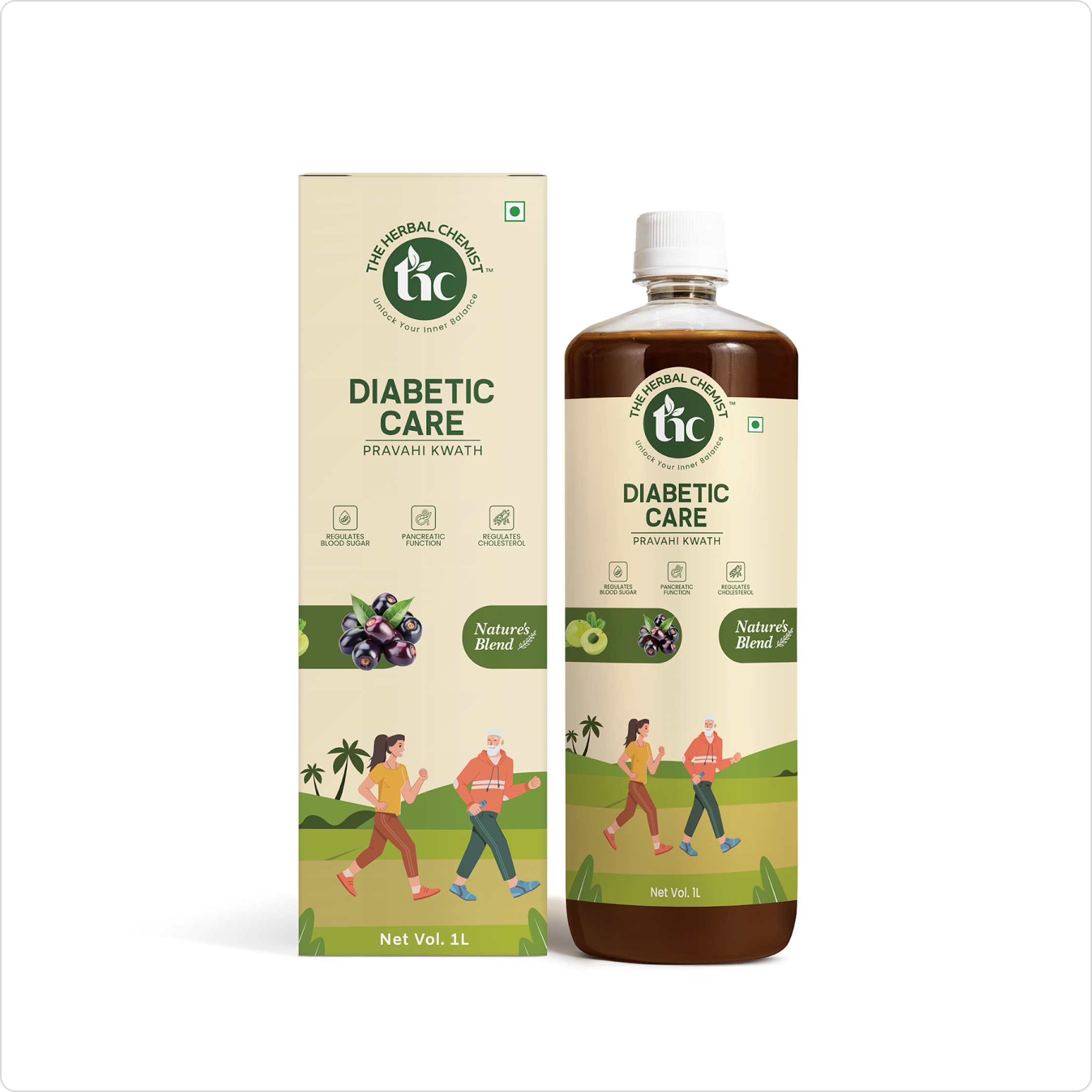
A bottle of herbal juice can look like a straightforward addition to breakfast. Nevertheless, making a choice involves more than simply knowing the names of its ingredients. The botanical ingredients, production process, complete formulation and individual consuming it are all important. These considerations are particularly relevant when the aim is to support blood sugar management or immune health.
Giloy juice and blends containing neem, karela and jamun feature in discussions of traditional health practices. Their traditional Ayurvedic background can generate curiosity, but traditional use does not establish that every bottled preparation delivers a particular health benefit. The most practical place to begin is by examining what the product contains, what its claims mean and whether it belongs in your routine.
Rather than allowing expectations of benefits to lead the decision, first ask yourself a straightforward question: what would adding this preparation change about your current care, diet and daily habits?
Clarify Your Expectations Before Choosing a Juice
People explore herbal formulations with differing expectations. Some may simply wish to understand traditional botanical ingredients, while another person might be looking for ways to address a high blood glucose result. Others might simply want a convenient addition to their wellbeing routine during a busy working week. Each of these aims needs to be considered differently.
A broad curiosity about traditional herbal products must not become a belief that the preparation can treat an illness. In the same way, fatigue alone does not demonstrate that immune function needs improvement. Ongoing tiredness, excessive thirst or additional unexplained symptoms deserve assessment rather than a trial of several wellness products.
Establish your reason for considering the product before selecting one. If the purpose involves diabetes, recurring illness or an existing health condition, review the particular product with a qualified medical professional. The name of an individual ingredient is insufficient to determine whether a preparation is appropriate.
Clarifying your expectations may also help avoid purchasing products without a clear need. A particular formulation should not automatically become a regular purchase only because its potential benefits are presented through vague yet reassuring claims.
Understanding Differences Between Products with Similar Ingredient Names
Product descriptions such as neem karela jamun juice, neem jamun karela juice and karela neem jamun juice present the same three commonly known botanicals in different orders. Nevertheless, these variations in wording do not prove that the formulations are identical. Their proportions, plant parts, concentration and additional ingredients may differ.
Known as bitter gourd, karela is a vegetable included in traditional formulations. Jamun products may use different parts of the plant, while neem preparations require attention to the material included. Evidence concerning one plant part cannot automatically be applied to another.
A preparation described as neem karela juice is also different from one that includes jamun. Adding another ingredient changes the formulation, although doing so does not necessarily make the product more effective. A greater number of ingredients can complicate identifying the substance involved if an unwanted reaction occurs.
Review the entire list of ingredients rather than depending solely on the main ingredient names displayed on the bottle. If ingredient amounts or manufacturing details are not clearly stated, avoid assuming that different bottles contain identical formulations without sufficient information.
Distinguish Traditional Practices from Proven Outcomes
Ayurveda includes longstanding approaches to food, daily routines and botanical preparations. Recognising this background can clarify why certain botanicals continue to be widely recognised. Nevertheless, descriptions of historical use address a different issue than clinical research investigating whether a particular formulation produces a measurable improvement.
Results from laboratory research represent another distinct type of evidence. An ingredient might demonstrate biological effects in cellular or animal research without producing a useful, safe effect in people. Scientific studies must additionally account for dosage, formulation and length of exposure.
In diabetes care, available evidence does not adequately demonstrate dependable treatment benefits from herbal supplements. Studies examining bitter melon and additional plant-based ingredients face limitations, including differences between preparations and weaknesses in study design. For this reason, a positive preliminary observation should not be described as confirmation that a retail juice controls blood sugar.
Traditional applications, laboratory activity and established clinical outcomes should be understood as distinct categories of information. Keeping them separate allows interest in Ayurveda while avoiding exaggerated claims about the effectiveness of a specific bottled preparation.
Consider What Herbal Immunity Claims Actually Mean
Marketing language referring to giloy juice for immunity can create the impression that drinking the formulation directly lowers the chance of becoming unwell. In practice, “immunity” is a broad term, so the claim does not independently establish a measurable advantage, individual suitability or suitable length of consumption.
Consider what the statement genuinely refers to. Is it supported by human research involving that specific formulation, or does it rely on a general account of traditional use? Does it specify an outcome, or is the wording limited to broad expressions connected with health and wellness?
The same care applies to giloy tulsi juice. The inclusion of two traditionally recognised herbs does not prove that the finished blend prevents infections or provides a stronger effect than either ingredient alone. Evidence or claims relating to one ingredient should not simply be extended to a multi-ingredient formulation.
Use general immunity claims as a prompt for a more careful review of supporting evidence. These claims should not influence a decision to put off appropriate assessment when infections recur or symptoms continue.
Check Safety Before Deciding on Convenience
A liquid preparation may be convenient, although ease of use does not guarantee that it is safe. Botanical substances may produce unwanted reactions, and whether they are suitable may vary with someone’s existing treatments and health history.
Giloy requires especially careful consideration. Published medical case reports have identified associations between Tinospora products and liver injury. This does not mean every user will experience harm, yet it makes general guarantees about the safety of giloy juice unjustified. Those with a history of liver disease or an earlier unwanted response to supplements should obtain advice suited to their medical circumstances before contemplating its use.
Should yellowing of the skin or eyes, unusually dark urine, substantial nausea or unexpected tiredness occur during the use of a botanical product, stop using it and obtain prompt medical assessment. Keep the packaging so the ingredients can be reviewed.
Pregnancy, breastfeeding, childhood and complex medical conditions also require individual assessment. A preparation used by another adult in the household should not automatically be shared with everyone else.
Why Diabetes Medicines Require Additional Consideration
Someone taking prescribed diabetes treatment needs a more careful assessment than someone simply reading about traditional ingredients. Herbal preparations may interact with medicines, and some ingredients may influence blood glucose. Combining products without review can make their effects difficult to predict.
Have the full ingredient information and a correct record of your medicines available for review. Remember to include additional supplements and treatments used occasionally. Describing the product merely as “a natural juice” omits details that are important for an informed evaluation.
Do not reduce or stop prescribed treatment because a preparation is described as supporting blood sugar balance. Should a qualified healthcare professional determine that a preparation is appropriate, agree how its use will be reviewed and whether monitoring needs adjustment.
Unexpected glucose changes should be discussed with the treating clinician. A reduction in a glucose measurement does not necessarily represent a positive outcome, notably if the value is lower than the recommended personal range or appears together with concerning symptoms.
Review Product Labels for Essential Information
Do not focus solely on the most prominently displayed botanical. A useful label should help you identify what is in the bottle, appropriate serving instructions, handling requirements and safety precautions. Check whether the product is ready to drink or requires dilution; the appearance of the liquid cannot answer that question.
Check the full nutritional declaration whenever it is supplied. A bitter taste does not prove that a preparation contains no sugar, while a “no added sugar” statement does not confirm the absence of carbohydrates. Understanding these details helps when considering how a drink fits within someone’s dietary arrangements.
Recognise that a herbal liquid extract, a decoction and a botanical beverage are different types of preparation. Products with similar-looking bottles do not necessarily contain equivalent strengths. Serving instructions associated with one formulation should not simply be reused for another.
Should the packaging provide insufficient information about essential matters, refrain from making assumptions about the details that are not provided. Having access to clear product details is a necessary part of choosing a preparation responsibly.
Quality Claims Need a Clear Meaning
Promotional expressions such as natural, pure or carefully prepared may create confidence without communicating much specific information. They do not show whether a product is effective for a health condition or establish that it is appropriate to take with a specific medication.
References to laboratory analysis should likewise be understood within their specific limits. Laboratory checks might focus on ingredient identity, contaminants or other quality characteristics. Unless more evidence is available, a laboratory testing claim cannot demonstrate that the product has been subjected to clinical trials or delivers the benefits described in its marketing.
Check packaging integrity, batch identification, expiry information and storage instructions. When the product has been opened, adhere to the manufacturer's specific handling recommendations. Different herbal liquid preparations should not be presumed to share the same storage life or refrigeration needs.
Avoid transferring a positive impression of one preparation to every product containing the same herb. Manufacturing methods and formulation characteristics differ according to the karela neem jamun juice particular product so each formulation deserves its own review.
Make Your Herbal Routine Easy to Monitor
Beginning several botanical preparations and dietary supplements simultaneously makes it difficult to understand what has changed. If stomach discomfort or another symptom follows, identifying the responsible preparation becomes harder. It also becomes easier to overlook repeated ingredients across different bottles.
Should an appropriate healthcare assessment support the use of a particular product, maintain notes covering the preparation's identity, contents, start date and recommended serving instructions. Make a note of any adverse symptoms instead of overlooking them as a routine response or an indication that the preparation is producing benefits.
Do not raise the serving quantity simply because no clear effects have appeared. A lack of visible results provides no proof that a higher amount would produce improvement. Missed servings should not be followed by extra amounts intended to compensate for them.
Establish a suitable time for reassessment rather than continuing without an end point. Such a review should examine how well the product is tolerated, relevant medical findings and whether continued use is justified.
Give Essential Daily Health Practices Their Proper Importance
A herbal routine can become counterproductive if it shifts focus away from regular eating, exercise, adequate sleep or healthcare follow-up. Its convenience should not give it greater importance above the other important aspects of routine health management.
For an individual working to manage glucose levels, important considerations frequently include regular eating patterns, sensible portions and a routine compatible with personal and professional responsibilities. A qualified dietitian may assist in tailoring dietary decisions to individual requirements without making every meal unnecessarily restrictive.
Think of someone working in an office who begins drinking herbal juice each morning yet continues to overlook midday meals and forget recommended medical treatment. Buying the additional preparation does not address the existing problem. Daily habits designed to make meals and medication easier to manage help tackle the more pressing concern.
Similarly, drinking a herbal preparation should not become a reason overlooking symptoms or postponing advised medical investigations. The value of a health-related routine should be judged by its compatibility with responsible health management, rather than how many products it includes.
Conclusion
Making informed decisions about herbal juices begins with reasonable expectations and reliable product details. The names of familiar botanicals may help explain why a product appeals to someone, but they cannot establish effectiveness, product equivalence or personal suitability. Review the formulation, examine broad claims carefully and account for medicines and medical history before starting. If a particular formulation is assessed as suitable, maintain a routine that can be reassessed while continuing to prioritise proven medical care and practical healthy habits.